A garage floor takes a beating most homeowners never think about. Every time you park, haul in groceries, drag out the mower, or drop a tool, the concrete absorbs the impact. Add Florida heat, humidity, and the occasional afternoon thunderstorm, and that slab works harder than any other surface on your property.
So how do you know when it is finally time to stop living with a tired, stained floor and do something about it? The warning signs are usually obvious once you know what to look for. Some are cosmetic, some are structural, and a few are quietly costing you money every month. Below are ten of the clearest signs that your garage floor is ready for an upgrade, along with what each one actually means.
If you only remember one thing, make it this: bare or failing concrete rarely gets better on its own. It gets worse, and it gets more expensive to fix the longer you wait. With that in mind, here is the list.
Key Takeaways
- Cracks, dusting, and peeling paint are early warnings, not minor annoyances.
- Stains that will not lift and slippery spots signal the surface is past saving.
- A new coating is usually faster and cheaper than replacing the whole slab.
- Acting on the signs early protects your investment and your home's value.
1. You Can See Visible Cracks Spreading
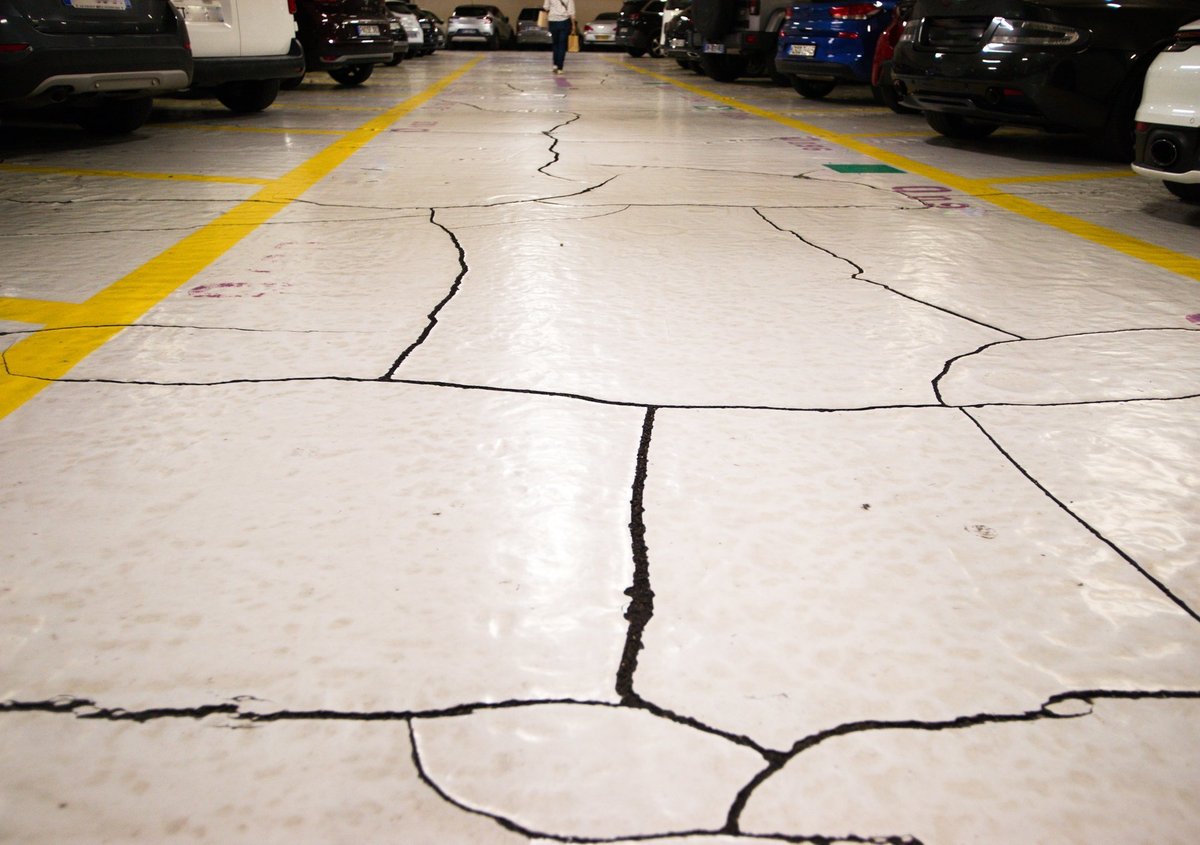
Hairline cracks are common and often harmless, but once cracks start to widen, branch out, or run the length of the slab, the concrete is telling you something. In Florida, cracks usually come from two sources: the slab settling unevenly and the constant expansion and contraction caused by heat cycling. Once water gets into a crack, it does not stop at the surface. It works its way down, freezes (yes, even in North Florida), expands, and pries the crack wider with every season. A quality coating system cannot reverse structural damage, but it can seal the surface and stop the daily wear that accelerates it. If your slab needs more than surface repair, our team will tell you honestly during a site visit.
2. The Floor Feels Chalky or Dusts Underfoot
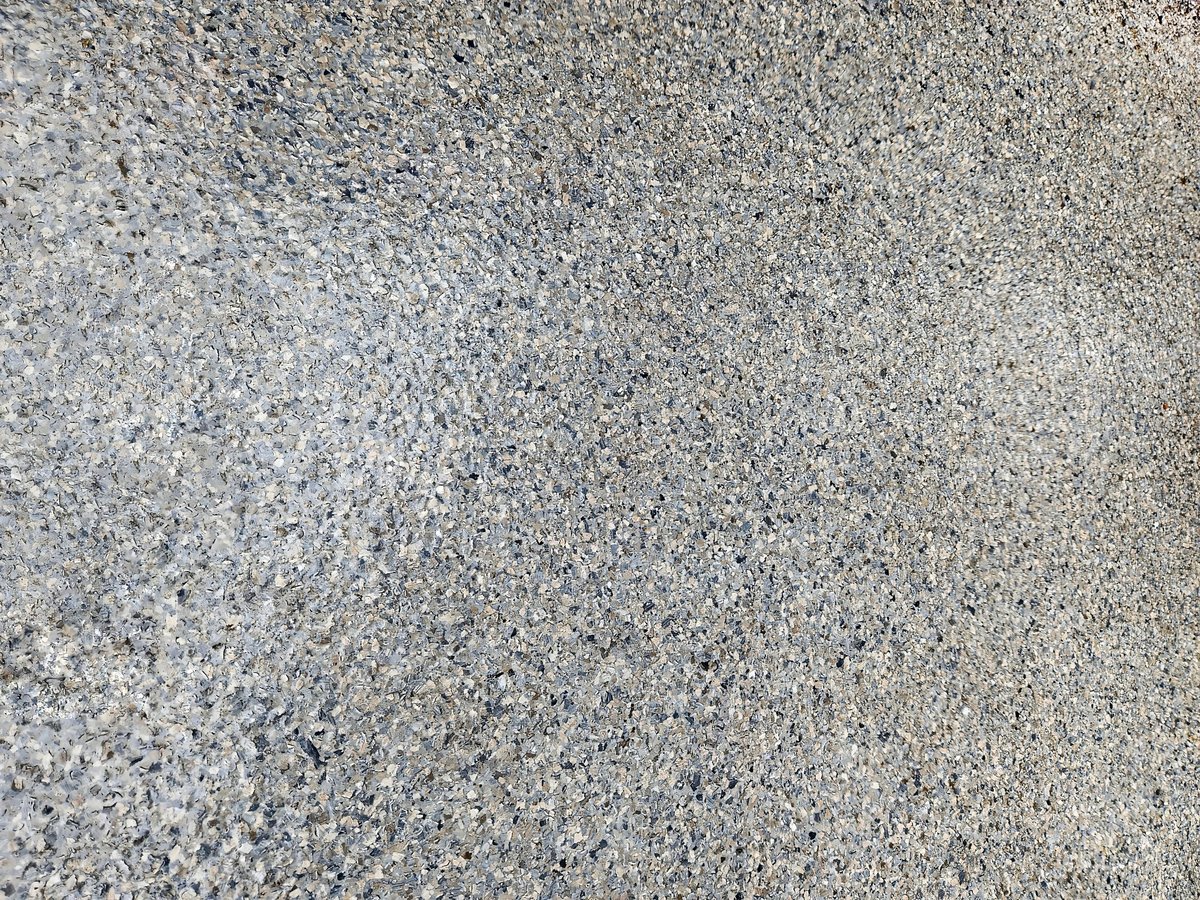
Run your hand across the floor. If a fine powder comes off, you are dealing with a condition called dusting or spalling. It happens when the top layer of concrete breaks down and sheds tiny particles. That dust gets tracked through the house, settles on anything you store in the garage, and eats away at the surface year after year. Dusting is one of the most common reasons homeowners finally decide to coat a garage floor. A proper garage floor coating seals the surface and stops the powder at the source, giving you a floor that stays smooth and easy to sweep.