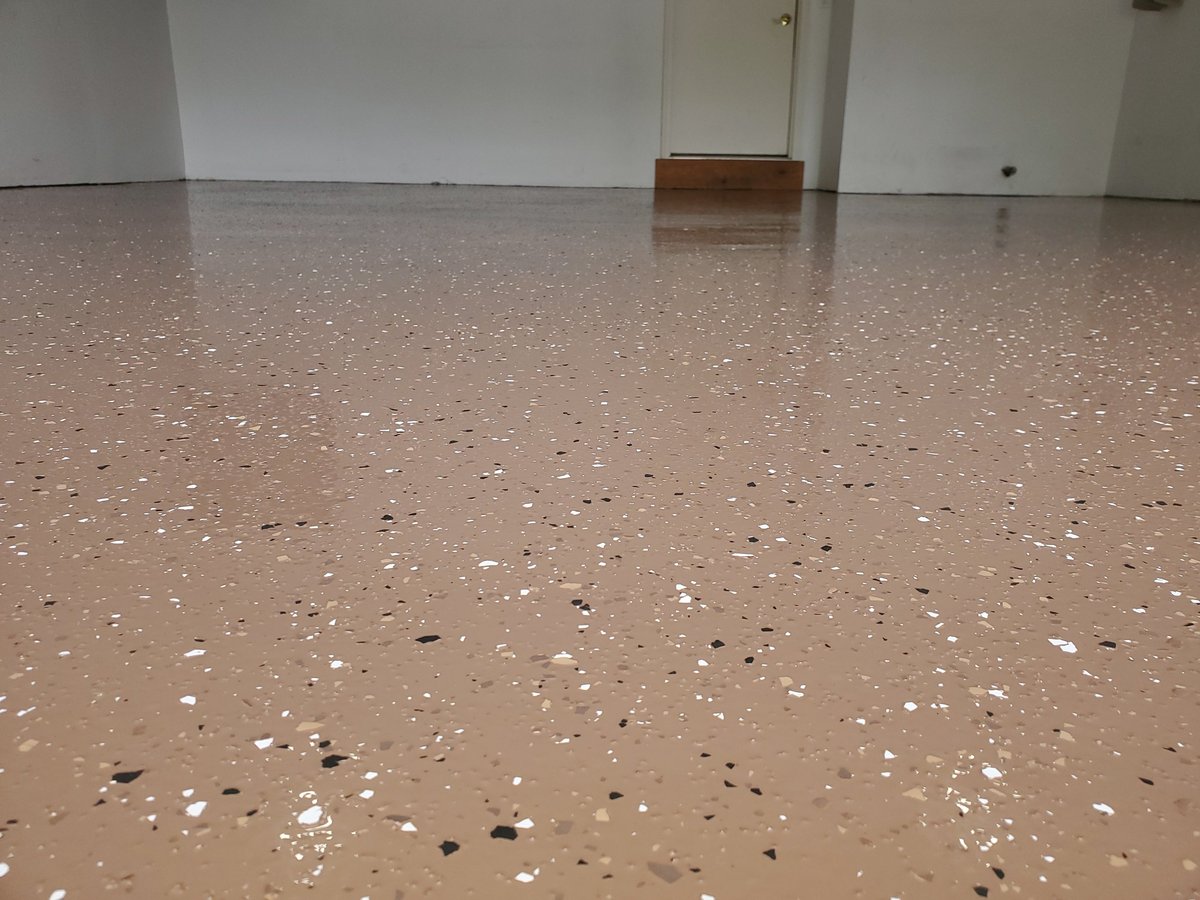
Freshly finished glossy garage floor coating in a clean bright residential garage
Garage Floors Maintenance 7 min read

How to Care for Your Newly Installed Garage Floor: A Simple Maintenance Guide

UP

USA Protective Coatings Team

Northeast Florida & Southeast Georgia's Coating Experts

You just had your garage floor coated, and the transformation is immediate. Stains, cracks, and that dull gray concrete are gone, replaced by a clean, glossy surface that makes the whole space feel finished. Now the question every homeowner asks is the same: how do I keep it looking this good?

The good news is that a garage floor coating is dramatically easier to maintain than bare concrete. At USA Protective Coatings, we install polyurea basecoats topped with UV-stable polyaspartic finishes. That combination is far tougher than the hardware store epoxy many people are familiar with. It resists stains, shrugs off most chemicals, and does not yellow under Florida sun. But even a premium system benefits from a few simple habits, especially in the first few weeks.

Here is exactly how to care for your new floor, from day one through year ten.

Key Takeaways

  • Wait 24 to 48 hours before parking on a new polyaspartic floor, and give hot tires extra time in warm weather.
  • Sweep or dust mop regularly and mop with mild soap and water. No abrasive pads.
  • Wipe up spills promptly and avoid harsh solvents, which are rarely needed.
  • A little routine care keeps the finish looking new for years and protects your warranty.

The First 24 to 48 Hours Matter Most

Your floor is walkable and light-use ready within hours, which is one of the biggest advantages of the polyurea and polyaspartic systems we install. Still, the coating continues to harden for a short period after installation, so a little patience goes a long way.

Plan to keep vehicles off the surface for at least 24 hours, and 48 hours is safer in cooler weather or high humidity. Hot tires are the real concern. A tire that has just been driven hard holds heat, and if it sits on a freshly coated floor too soon, the combination of heat and weight can leave marks or soften the surface. Give the coating a full day, and you will never have to think about it again.

Keep heavy items, sharp tools, and dragging furniture off the floor during this window too. Once the cure is complete, the floor is ready for normal life.
Routine Cleaning: Keep It Simple

The beauty of a coated floor is that it does not need much. Because the surface is sealed, dust, dirt, and debris sit on top instead of sinking into pores, so basic cleaning is genuinely basic.

Start with a soft broom, dust mop, or a shop vacuum to clear loose dirt and grit. Grit is the enemy of any finish, not because it damages the coating but because it gets ground in underfoot and tires. A quick pass once a week is usually plenty.

For a deeper clean, use a microfiber mop or a soft-bristle brush with warm water and a mild liquid dish soap or a pH-neutral cleaner. A small amount goes a long way. Rinse with clean water and let it air dry, or run a squeegee if you want a spot-free finish. That is the entire routine.

If you live near the coast or track in a lot of sand, as many of our Northeast Florida and Southeast Georgia customers do, sweep more often. Sand is abrasive and adds up fast in a garage that sees beach gear, bikes, and lawn equipment.

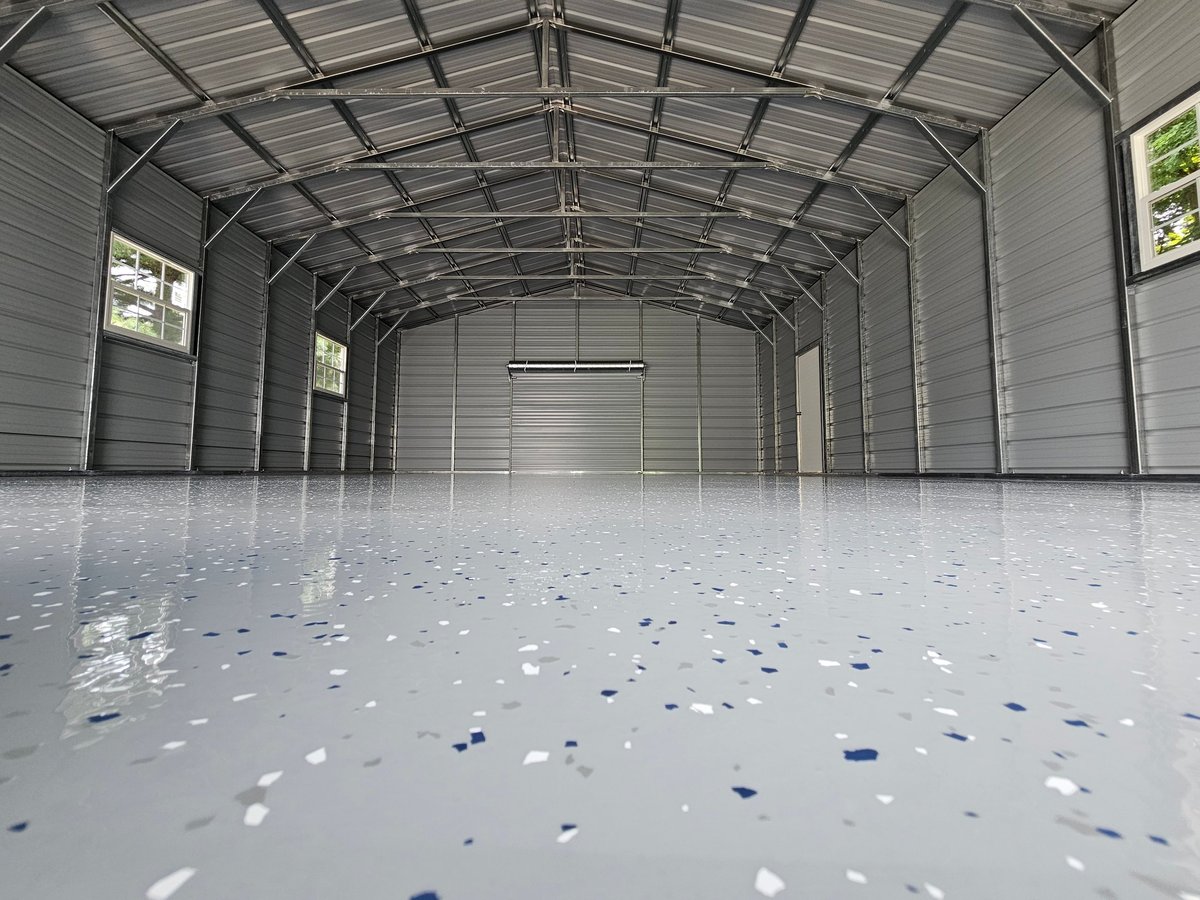
Durable epoxy garage floor coating showing a clean easy to maintain surface
A sealed floor wipes clean with nothing more than mild soap and water.

What to Avoid on a Coated Floor

A polyaspartic finish is tough, but a handful of habits will shorten the life of any coating. Steer clear of abrasive scrub pads, steel wool, and powdered cleansers, which dull the surface over time. Skip harsh solvents like acetone or lacquer thinner unless a specific spill requires it, and even then, ventilate and rinse well afterward. Avoid dragging heavy metal objects, like a jack, a workbench, or a tool chest, across the floor. Use a piece of plywood underneath or lift instead, and you will prevent scuffs and scratches. These few rules cover almost everything.

Handling Spills and Common Messes

One of the reasons homeowners choose a coating in the first place is stain resistance. Oil, gas, antifreeze, paint, and most household chemicals wipe up far more easily than they would on bare concrete. When something spills, blot or wipe it up promptly with a rag or paper towel, then clean the area with mild soap and water. For sticky residues like tree sap or adhesive, a little denatured alcohol on a rag works well. If you are ever unsure about a product, test it in a small, out-of-the-way corner first. It takes a minute and saves surprises.

Long-Term Care in Florida's Climate

Northeast Florida is hard on surfaces. Between intense sun, high humidity, and frequent storms, outdoor and semi-outdoor spaces take a beating. Your garage sits right in the middle of that, especially if the door is often open or the space is not climate controlled.

The polyaspartic topcoat we install is specifically chosen for this environment. It resists the UV breakdown that causes ordinary epoxy to yellow and chalk, and it holds its color and gloss far longer. That said, humidity can leave condensation on the floor after a big temperature swing. A quick dry mop handles it and keeps the surface from holding moisture.

If your garage doubles as a workshop, keep a mat or a scrap of plywood under heavy tools and equipment. It is a small habit that pays off over years. The same advice applies to anything with a metal base that might rust, since moisture and metal do not mix well on any floor.

A Simple Seasonal Routine

Four times a year is enough to keep a coated floor in top shape. Sweep and do a thorough wet mop with mild soap. Check the perimeter for any debris that collects at the garage door threshold. Look over the surface for any spots that need attention, and address them early rather than letting a small issue sit. This is also a good time to clear out clutter, which reduces foot traffic and scrapes across the finish. If you coat your driveway and walkways at the same time, give those surfaces the same quick once-over each season.

How to Make It Last Even Longer

Small choices add years to the finish. Park one consistent way so tires do not repeatedly sit on the same spot, though this is far less of a concern than it is with cheap coatings. Keep the garage door closed during the hottest part of the day when you can, which reduces direct sun exposure and helps the surface stay cooler underfoot. Use floor mats at high-traffic entry points. And clean up spills when they happen rather than letting them sit. Homeowners who follow these few habits often tell us their floor still looks close to new years after installation.

What If Something Goes Wrong?

A properly installed system should not peel or fail, which is why prep work matters so much on the front end. If you ever notice a bubble, lift, or mark that does not clean up, reach out rather than trying to fix it yourself with a repair kit from a store. Those products rarely match the original system and can make things worse.

Every installation we complete is backed by our 15-year warranty, because we stand behind the prep and the materials. If you have a question about your new floor, contact us and we will help. Caring for a coated garage floor is far easier than caring for bare concrete, and a little routine attention keeps it looking new for the long haul. If you are still deciding whether to coat, start with our guide on 10 signs it is time for a new garage floor, and read how homeowners feel about their finished garage floors.

Frequently Asked Questions

Ready to Coat Your Garage Floor?

Get a free, no-pressure estimate and see how a durable, easy-to-care-for floor can transform your garage in a single day.

Get My Free Estimate